


Focused on developing the internal capabilities of individuals and organizations, building a strong foundation for innovation and sustainable growth. Through these programs, SVF seeks to transform mindsets and actions from within, cultivate a culture of innovation, promote sustainable growth thinking, and support businesses in embracing market changes. Consulting, training, and mentoring activities are designed to help businesses achieve breakthroughs in innovation, thereby enhancing competitiveness and fostering sustainable development.

9 months ago
RETHINKING MEDIA LITERACY – COMBATING INFORMATION MANIPULATION
The World Economic Forum (WEF) has published the report “Rethinking Media Literacy: A New Ecosystem Model for Information Integrity,” proposing a comprehensive approach to counter disinformation, deepfakes, and AI-driven manipulation. Rather than viewing Media & Information Literacy (MIL) solely as an individual skill, the report emphasizes it as a capability that must be developed across the entire ecosystem (including individuals, institutions, technology platforms, and policy), aiming to strengthen information defense on a broad scale.

9 months ago
QUANTUM TECHNOLOGY – OPPORTUNITIES AND STRATEGIES FOR FINANCIAL ENTERPRISES
The World Economic Forum (WEF) has released the report “Quantum Technologies: Key Strategies and Opportunities for Financial Services Leaders,” focusing on quantum technology trends and readiness strategies for financial institutions. The report highlights five critical areas poised for significant impact: cybersecurity, portfolio optimization, complex financial simulation, risk management, and data privacy.
9 months ago
BIG DATA – THE KEY TO ACCELERATING DIGITAL BANKING
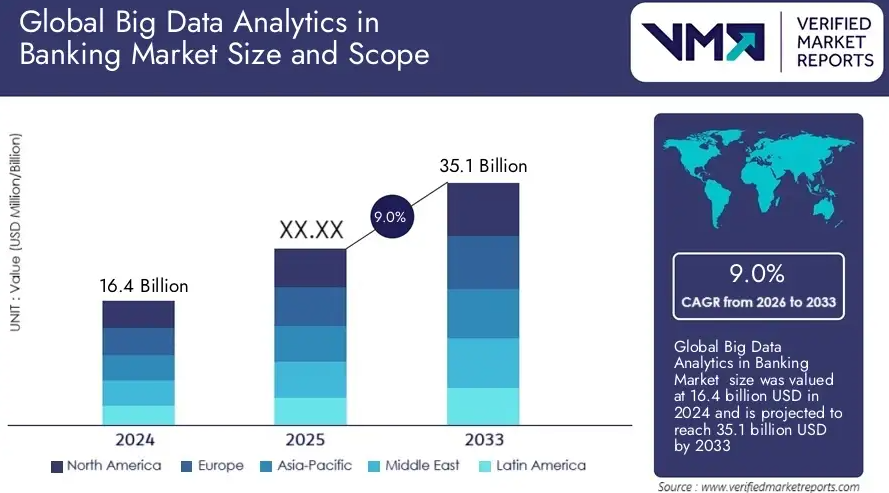
Market forecasts indicate that the big data analytics market in banking is projected to exceed $21 billion by 2034, registering a CAGR of over 10%. The analysis focuses on growth trends in North America, Europe, and Asia-Pacific, identifying key drivers such as risk management, fraud detection, customer analytics, and regulatory compliance.
9 months ago
EXPLORING VIETNAM’S YOUTH ENTREPRENEURSHIP ECOSYSTEM
UNDP and the Citi Foundation have published a comprehensive assessment of the youth startup ecosystem in Vietnam under the Youth Co:Lab project. The report analyzes key pillars such as policy frameworks, finance, human capital, culture, infrastructure, and market access. Furthermore, it identifies the strengths of innovation networks and the role of universities, while pointing out critical bottlenecks regarding capital access, mentorship gaps, and regional disparities.
9 months ago
CO-INVESTING IN CLEAN ENERGY WITH COMMUNITIES: DUAL BENEFITS FOR BUSINESS AND SOCIETY
A new report by the First Nations Clean Energy Network (FNCEN), in collaboration with Ernst & Young (EY), highlights the significant advantages of investing in Australian clean energy projects involving indigenous community participation. Approximately 50% of Australia’s clean energy infrastructure is projected to be situated on land and waters where First Nations groups hold legal rights and interests. These collaborative projects facilitate expedited approval timelines, faster access to capital, cost and risk reduction, and enhanced project governance, ultimately delivering sustainable socio-economic value.