

From a Rural Dish to “Vietnam’s Most Beautiful Phở”
Cassava phở—its humble name closely associated with Đông Phú Town, Quế Sơn District (Quảng Nam Province)—was once a familiar specialty for generations of locals. However, amid rapid urbanization and modern lifestyles, the traditional cassava phở craft gradually faded into obscurity, with only two to three households struggling to sustain production under the looming threat of disappearance.
Ms. Lê Thị Kim Ánh, a native of Quế Sơn, could not remain indifferent to this reality. Leaving behind her office job, she embarked on an entrepreneurial path driven by a desire to revive the traditional craft village and preserve the soul of her hometown by breathing new life into cassava phở. As a bold declaration of pride and identity, she confidently refers to it as “Vietnam’s most beautiful phở.”
Innovation Rooted in Origins
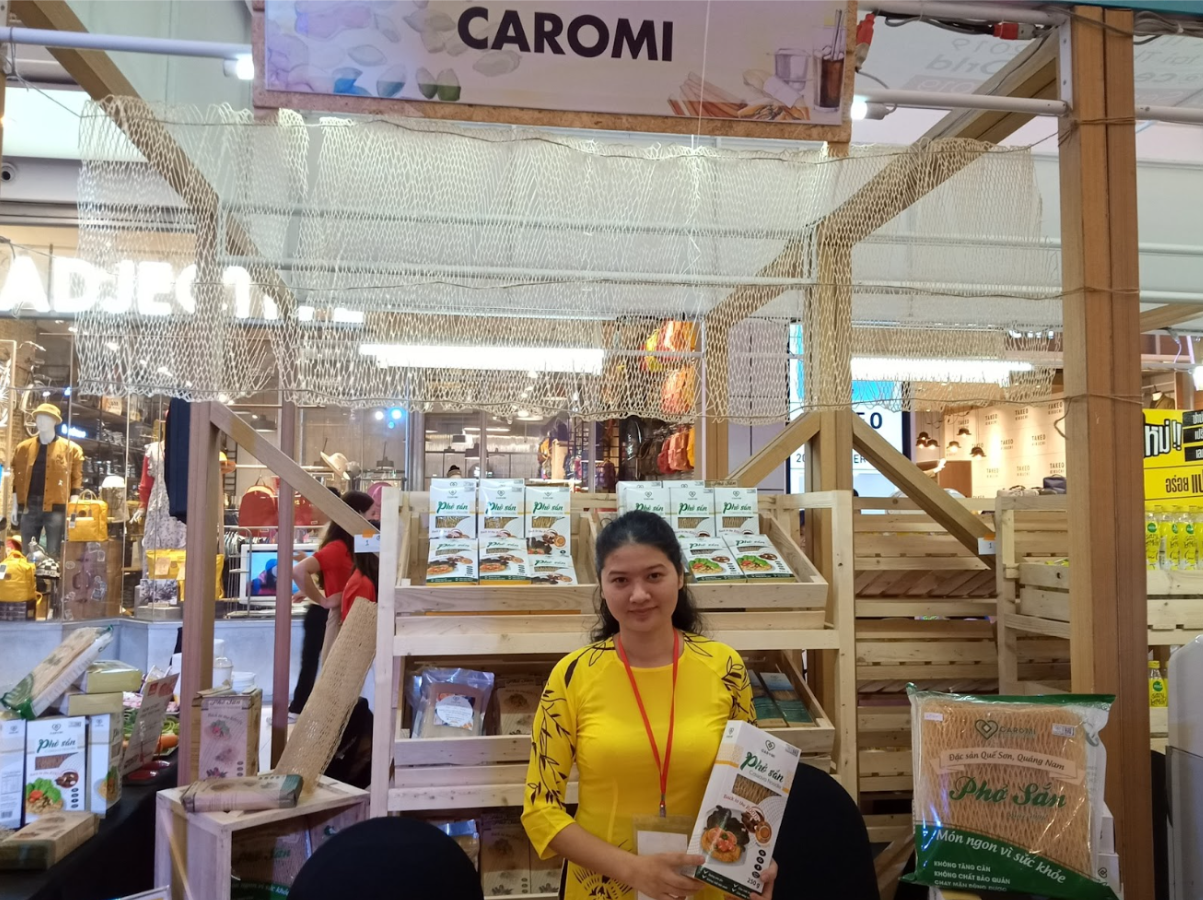
Rather than merely preserving traditional recipes, Caromi—the company founded by Ms. Ánh—has undertaken comprehensive improvements to its production processes, incorporating modern technologies to reduce environmental impact and enhance product quality. By sourcing cassava directly from Quế Sơn, the company partners closely with local farmers, ensuring stable output, fair pricing, increased income, and sustainable livelihoods for those engaged in the craft.
Notably, Caromi cassava phở is produced under clean standards, certified with international HACCP compliance, and recognized as a 4-star OCOP product by Quảng Nam Province. Beyond cassava phở, Caromi has also developed cassava rice paper, which has earned OCOP 3-star certification, offering greater choice for consumers seeking natural and safe food products.
Challenges, Setbacks, and a Turning Point through an Entrepreneurship Program
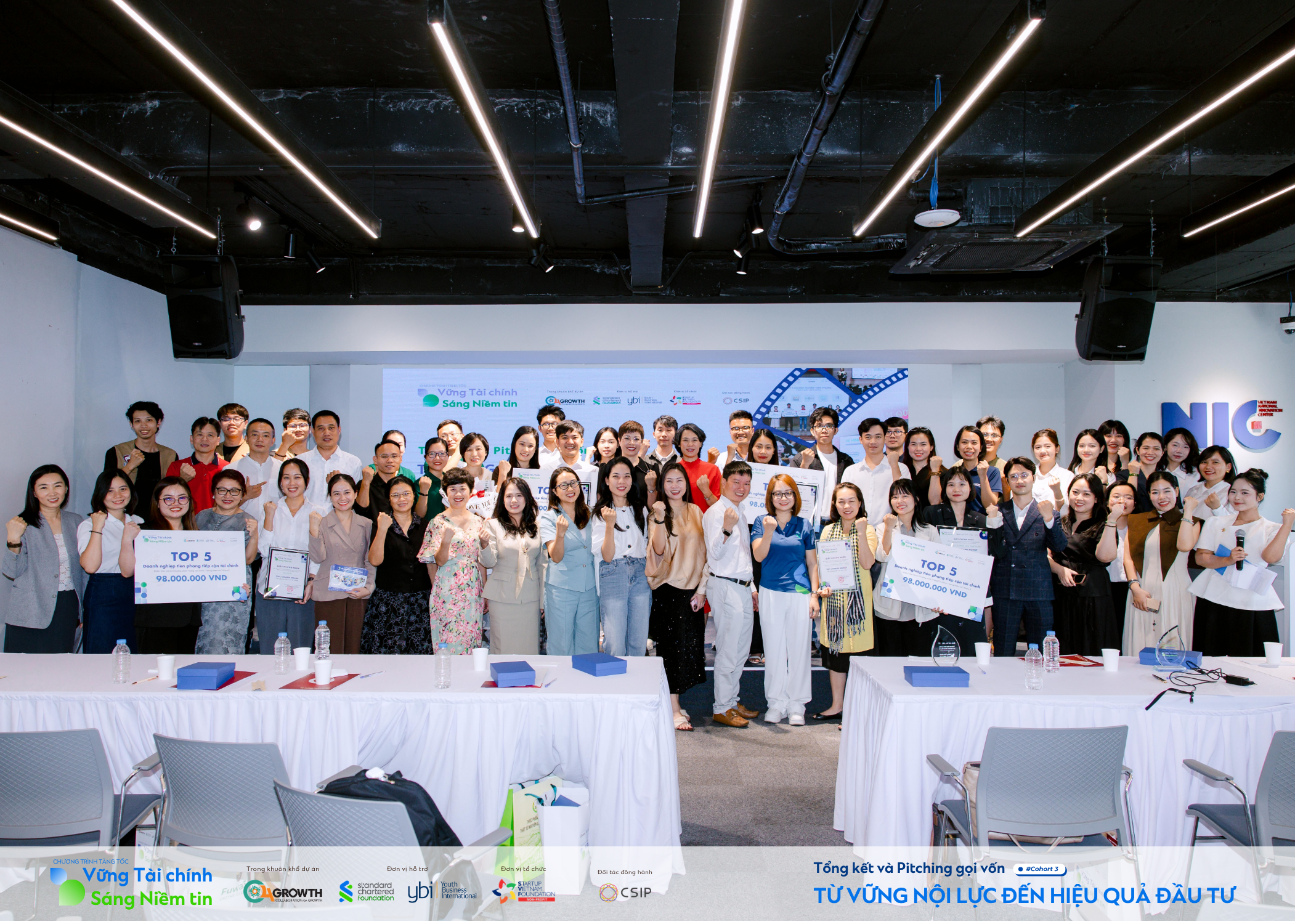
Like many first-time entrepreneurs in a new field, Ms. Ánh faced early challenges, including missteps in pricing, communication strategies, and uncertainty when bringing a local specialty to broader markets. Her participation in the “Women Cooperate – Creating the Future” program marked a significant turning point for both herself and Caromi.
Through the program, she not only learned how to optimize business models and connect with markets, but also untangled long-standing obstacles that had once held her back. “After the program, I discovered a new version of myself—more confident and more willing to fully commit to developing Caromi in a sustainable way,” she shared.
From Craft Village to Supermarkets—and Bigger Dreams
With a combined online–offline distribution strategy, Caromi has taken cassava phở beyond the boundaries of Quế Sơn. Today, its products are available in over 30 clean food stores across Đà Nẵng, Ho Chi Minh City, Hanoi, and Bình Dương; listed on major e-commerce platforms; and distributed through retail systems such as WinMart and Coopmart.
Beyond selling products, Caromi tells a story. The company organizes experiential tourism tours showcasing traditional cassava phở-making processes in Hội An, collaborates with renowned chefs to introduce the dish on television, and integrates cassava phở into the menus of major restaurants and hotels. These efforts have helped consumers better understand, appreciate, and connect with a dish that once stood on the verge of disappearing.
Two flagship products—150g cassava rice paper and 400g pure cassava phở—currently account for 80 percent of the company’s revenue, with the cassava rice paper achieving a remarkable 95 percent repeat purchase rate. This serves as the clearest indicator of a product that combines quality, value, and a compelling story.
Preserving Local Essence while Reaching Global Markets
Having steadily established its presence in the domestic market, Caromi is now setting its sights higher. Ms. Ánh is collaborating with the University of Science and Technology – The University of Danang to develop ready-to-cook products, including instant cassava phở and mì Quảng, with a view toward international export in the near future.
“As someone who transitioned into business without a background in finance or marketing, the program helped me correct mistakes, learn continuously, and grow,” she reflected.


.png)