

A Dream Born from Concern
As a food engineer, Ms. Lê Ngọc Thuỳ has a deep understanding of the invisible risks hidden in every plate of vegetables and every cut of meat. Throughout her professional journey, she has been persistently troubled by one fundamental question: Why does Vietnam produce such an abundance of agricultural products, yet consumers remain skeptical, while farmers are forced to sell their labor at low prices?
These concerns led her to establish HNH Food Farm Co., Ltd., with the ambition of closing the loop from farm to table—quite literally. More than a manufacturing enterprise, HNH represents an integrated agricultural model in which produce does not end in the fields, but is transformed into convenient, safe food products ready to serve modern consumers.
YORI – Naming Happiness at the Family Table
If HNH is the root, then YORI is the flourishing canopy reaching the market. Launched during Ms. Thuỳ’s second participation in the “Women Cooperate – Creating the Future” program, YORI stands as her response to a contemporary challenge: how to preserve the family meal amid increasingly fast-paced lives.
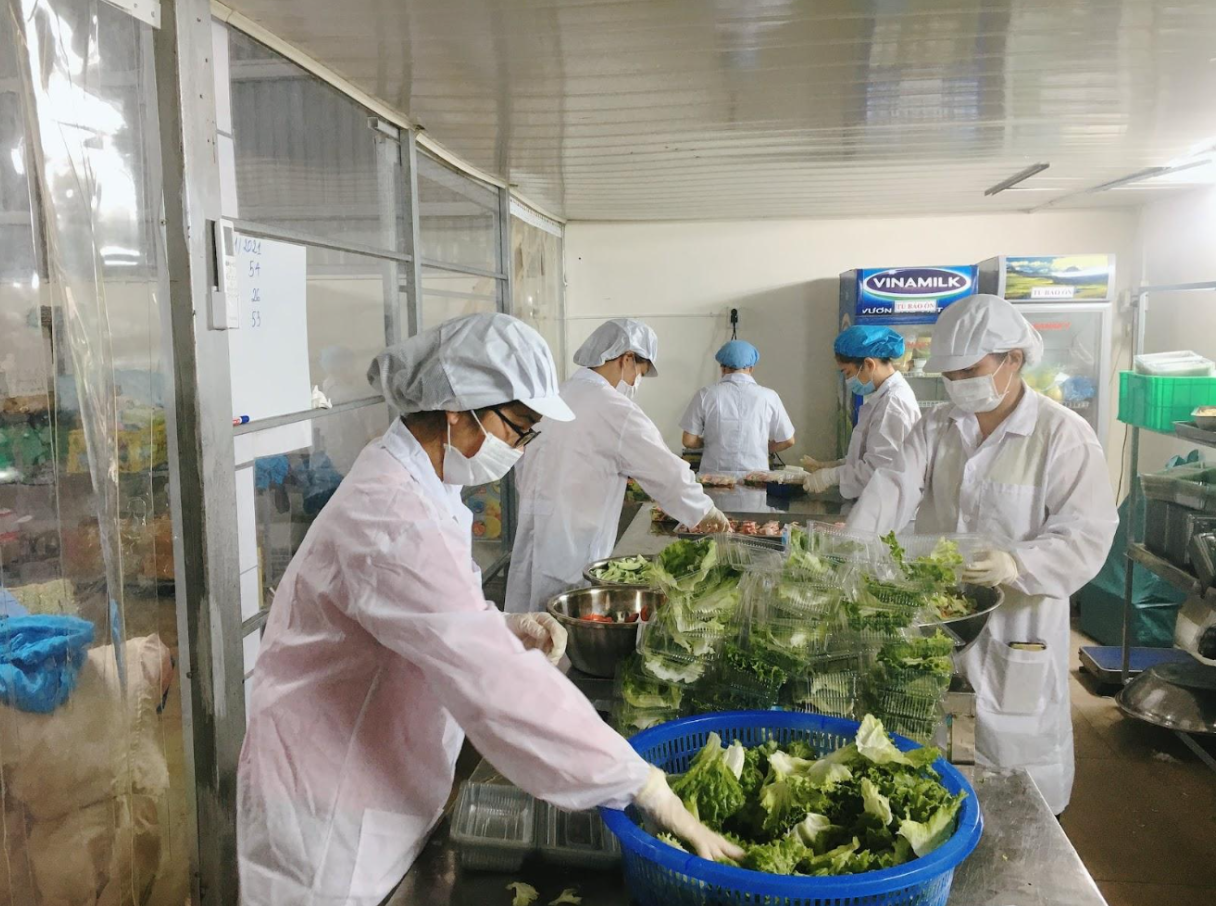
Built on the concept of “ready to cook, ready to eat” while retaining full nutrition and clean origins, YORI offers familiar Vietnamese dishes—from soups, stir-fries, and braised foods to rolls—prepared entirely from fresh ingredients sourced from HNH’s own farms or from VietGAP-certified farmer networks. Every bundle of vegetables, every cut of meat, every piece of tofu or roll is carefully monitored and fully traceable, ensuring transparency and food safety.
“If you want to benefit, first offer that benefit to others,” is the business philosophy Ms. Thuỳ steadfastly upholds.
This principle extends beyond customers to farmers—the cooperative partners who accompany HNH on its journey. The company regularly organizes training sessions in raw material zones, supports agricultural inputs, and commits to stable output. This is not merely value-chain agriculture, but a model built on respect and the creation of a sustainable, win-win ecosystem.
From Uncertainty to Impact through ‘Women Cooperate – Creating the Future’
Ms. Thuỳ describes her second participation in the program as “rain after a long drought.” At a time when HNH had strong products but struggled to reach the market, in-depth mentoring sessions, expert guidance, and investment connections helped her identify a new direction—integrating tradition with technology, offline with online, and products with experiences.
As a result, YORI adopted a multi-channel distribution strategy, expanding into supermarkets, convenience stores, and e-commerce platforms, while simultaneously building a more structured and professional workforce. For Ms. Thuỳ, cultivating corporate culture is the foundation that enables YORI not only to survive, but to grow sustainably.
“There are many businesses like ours in the market, but if we do our work exceptionally well, customers will recognize it—and they will stay.”
Rather than racing for speed, she chose a slower but steadier path, where consumer trust is built through transparency, dedication, and genuine quality.
From Vietnamese Family Meals to a Vision of High-Value Agriculture
The success of HNH–YORI is not merely measured by shelf placement. It represents a journey toward redefining standards in the clean food industry—not only clean ingredients, but clean practices, clean thinking, transparent operations, and a clear commitment to social responsibility.
Ms. Thuỳ—the woman behind HNH—has also emerged as a compelling role model within the community of female entrepreneurs: resilient, responsible, and humble. She never claims success for herself alone, instead consistently acknowledging the collective efforts of farmers, employees, mentors, and the program as indispensable parts of the journey.
“Gratitude to our mentors. Gratitude to fellow women CEOs—we share a common purpose: to build and serve a better society.”
Today, HNH Food and the YORI project increasingly represent a new generation of clean food enterprises—deeply rooted in Vietnamese agriculture, modernized in product development, and guided by a strong spirit of service.
For them, “the family meal” is more than food. It is a bond, a standard of living, and a statement of belief: that Vietnamese people deserve clean food, healthy lives, and confidence in the value of their own agricultural products.


.png)